2012년 8월 14일 화요일

dissolved oxygen

3. 용존산소량과 생물학적 산소요구량의 의미를 이해한다. 
1) 수질 오염 측정법
    ⑴ DO(용존 산소량)
        : 물속에 녹아 있는 산소의 양으로, 그 값이 클수록 신선한 물이다.
          (보통의 물 DO 5∼10ppm, 오염된 물 DO 1ppm이하)
     ※ 1ppm(parts per million) :1/100만 (ex: 1L물에 잉크 1mg)
    ⑵ BOD(생물학적 산소요구량)
         ① 오염된 물속에서 호기성미생물이 번식하면서 유기물을 분해할 때 소비하는 O2의 양.
             그 값이 높을수록 오염이 심한 물이다. 
         ② <하천의 수질 환경 기준값 (BOD)>
    급수
    BOD
    용도
    수생 생물 지표종
    1급수
    1ppm 이하
    간단한 정수처리후 식수로 사용
    송사리, 플라나리아, 녹조류
    2급수
    1∼3ppm 이하
    수돗물의 상수원
    피라미, 은어, 민어, 개구리밥
    3급수
    3∼6ppm 이하
    고도 정수처리후 공업용수로 사용
    붕어, 잉어, 메기, 거머리, 물벼룩, 짚신벌레
    4급수
    6ppm 이상
    악취, 접촉시 피부병 유발가능
    실지렁이, 붉은 깔다구
    ⑶ COD(화학적 산소요구량)
    : 물속의 유기물이 과망간산 칼륨(KMnO4)으로 산화, 분해될 때 소비되는 O2의 양을 ppm으로 나타낸 것 .→ 그 값이 높을수록 오염이 심한 물이다. 
2) 자정 작용
    : 하천으로 유입된 유기물이 시간이 지나면서 분해되어 다시 깨끗해지는 현상.
                            (☞ 생활하수, 공장폐수, 축산폐수 등)
    * 과정
    유기물의 유입→호기성미생물의 증가,BOD증가→유기물의 분해→DO(용존산소량) 감소
    →수생식물의 광합성, 공기중의 산소 용해→O2의 보충→DO증가   ▶▶ 깨끗해진 물

2012년 8월 13일 월요일

연속된 점전하에 의한 전기장


벤젠유도체 유기용매

벤젠유도체들은 물에 녹지 않고 다이에틸에테르 같은 유기용매에 녹는다
=> 산염기추출로 분리

염을 만든 다음 물에 녹여 유기용매층과물층을 분리

유발효과(inductive effect)

What are Inductive Effects ?
  • An inductive effect is an electronic effect due to the polarisation of σ bonds within a molecule or ion.
  • This is typically due to an electronegatvity difference between the atoms at either end of the bond.
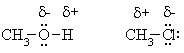
  • The more electronegative atom pulls the electrons in the bond towards itself creating some bond polarity for example the O-H and C-Cl bonds in the following examples:
inductive effect
  • In a simple alkyl carbocation, the positive C attracts the electrons in the σ bonds connected to that center towards itself and therefore away from the atom at the other end of the σ bond.
  • Electrons in C-C bonds are more readily polarised than those in a C-H bond.

adol = aldehyde + alcohol


http://www.mhhe.com/physsci/chemistry/carey5e/Ch18/ch18-3-5.html